We drive our organization's mission through two main programmes.
MATHS AND SCIENCE SUPPORT PROGRAMME
The Maths and Science Support programme is what kickstarted Active Revision back in 2016. From the beginning, we heard the cries echoing across the hills and valleys of our villages, a cry for help in the STEM fields. We recognise the importance of these fields in our country’s innovation and economic prospects, and as the country push towards that future, Active Revision wants to ensure that our rural areas are not left behind. Hence we answered that call, we answered it with the Maths and Science Support programme. Designed to help learners from Grades 10 to 12 with Mathematics and Physical Sciences.
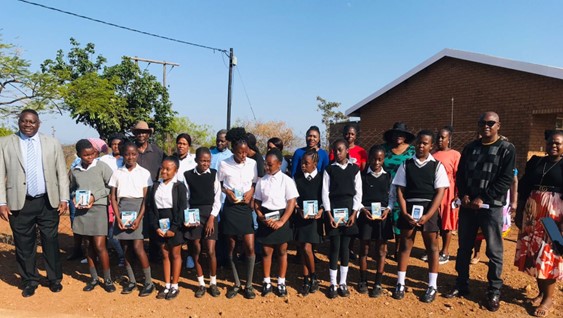
We have 50 Grade 12 learners at George Sonto High School in Collins Chabane Municipality in Limpopo. They attend extra classes with tutors we supply and work on tackling challenging questions and finding ways to approach exams using past papers. We have given these learners study guides and supplied them with food whenever they attended extra lessons.
We address the problem of lack of infrastructure and data bundles by giving away 200 tablet devices to Grade 10 learners in 10 schools in rural Limpopo. We have partnered with MTN Foundation, and our learners have access to zero-rated content on MTN Online School, which offers the same curriculum given by the Department of Basic Education. With that, we have kickstarted our blended mode of teaching and learning.
animation and game development programme
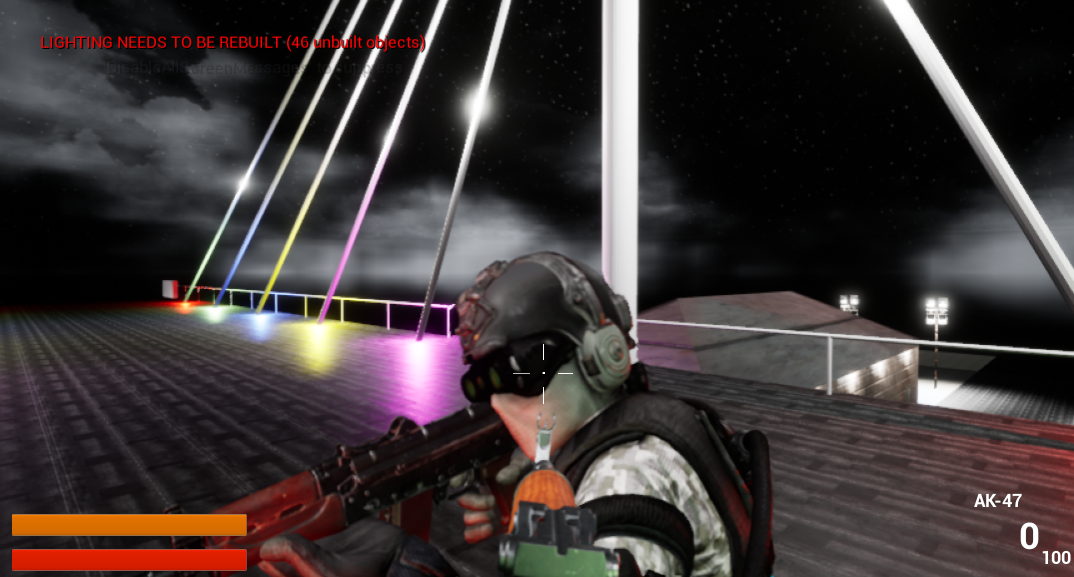
It is through play that kids make sense of the world around them and we believe it will be through games that they will understand the digital world created around them. We aim to teach programming through video game development. We believe in giving our youth the tools to be the ones creating those virtual worlds. But before they can get into making video games, we familiarise them with computers and high-level software through animation.
Africans have a long and storied culture of oral storytelling, a virtually inaccessible library of stories in our technology-driven world. At the same time, the skills required to develop animated, or tech-driven films are almost non-existent in townships and rural areas. Leveraging a culture of storytelling to develop the much-needed technical skills in our marginalised youth can never be more relevant than it is now.
Our kids are already consumers of animated films, they love cartoons and they have unparalleled levels of imagination. That coupled with our experience makes us believe that they are equally capable of producing these films themselves. All they need are the tools and that is what this programme is about, giving young people the tools and skills to tell their stories through animation and video games. The digital and programming skills acquired from these programmes are invaluable throughout the world today.
MORE ON THE ANIMATION PROGRAMME
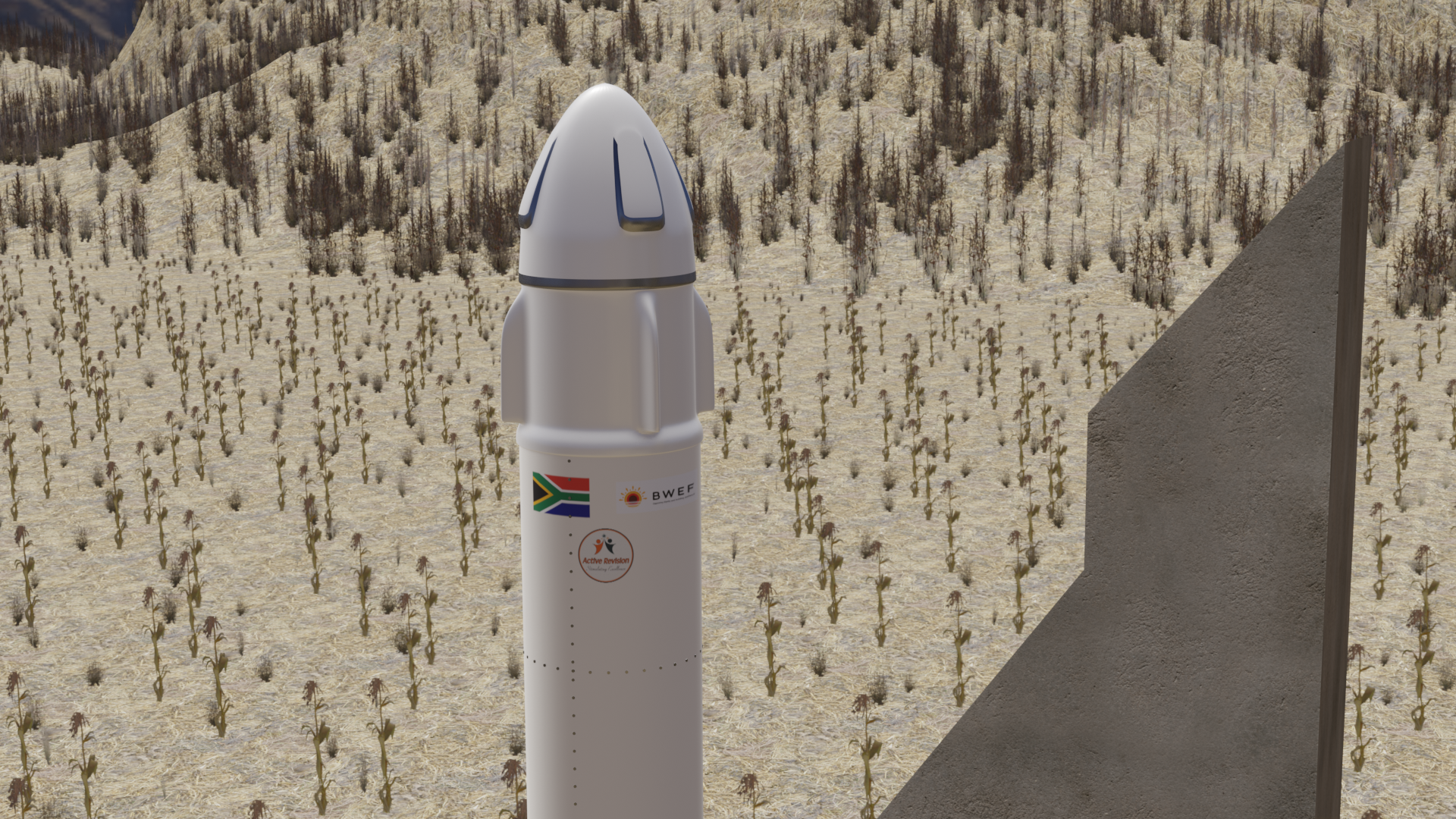
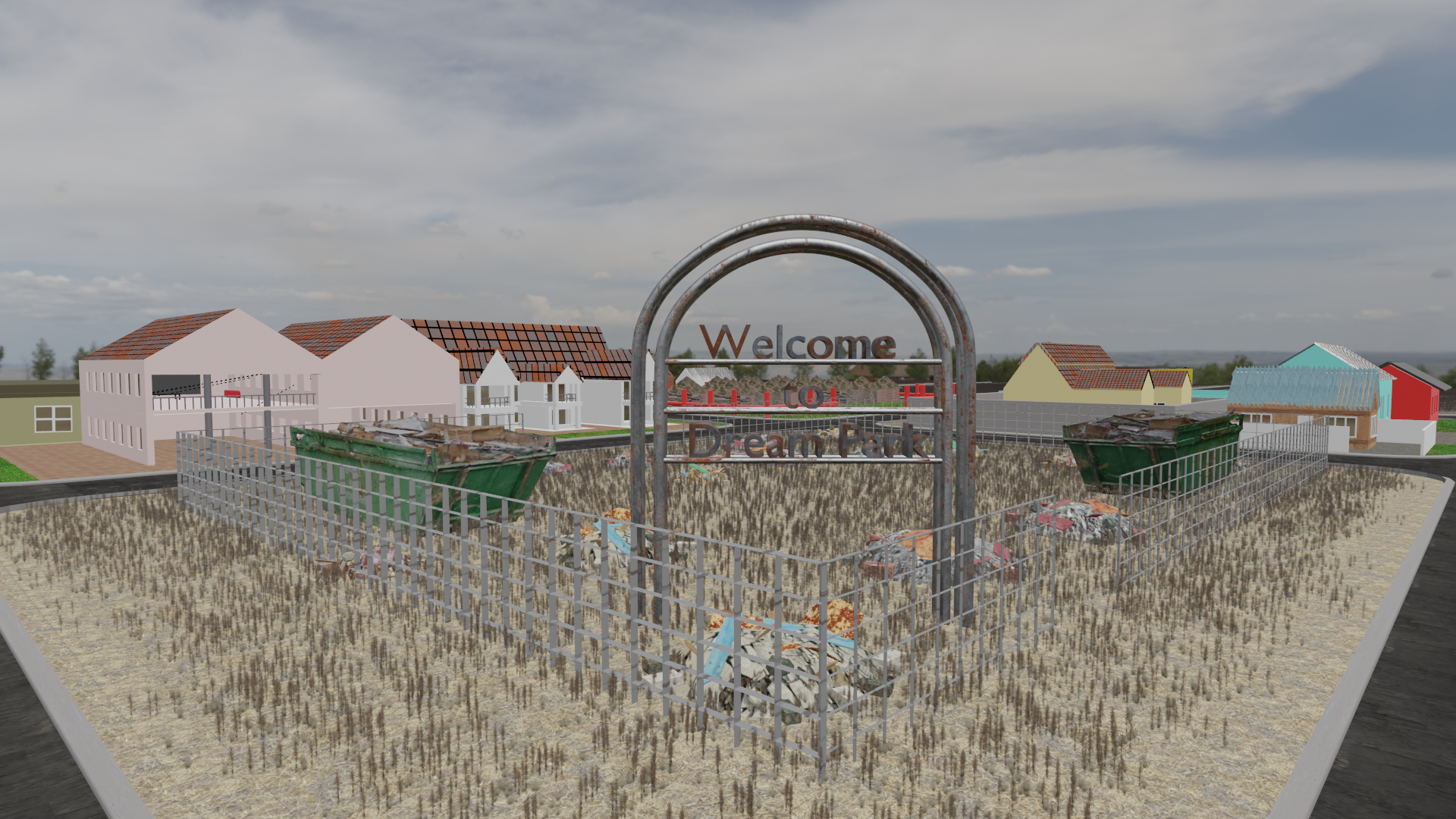
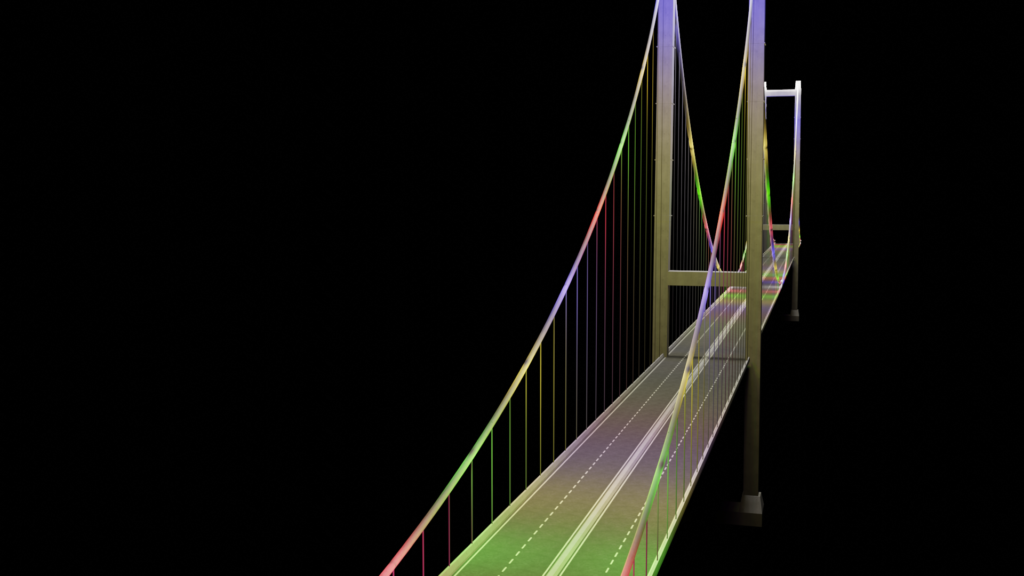
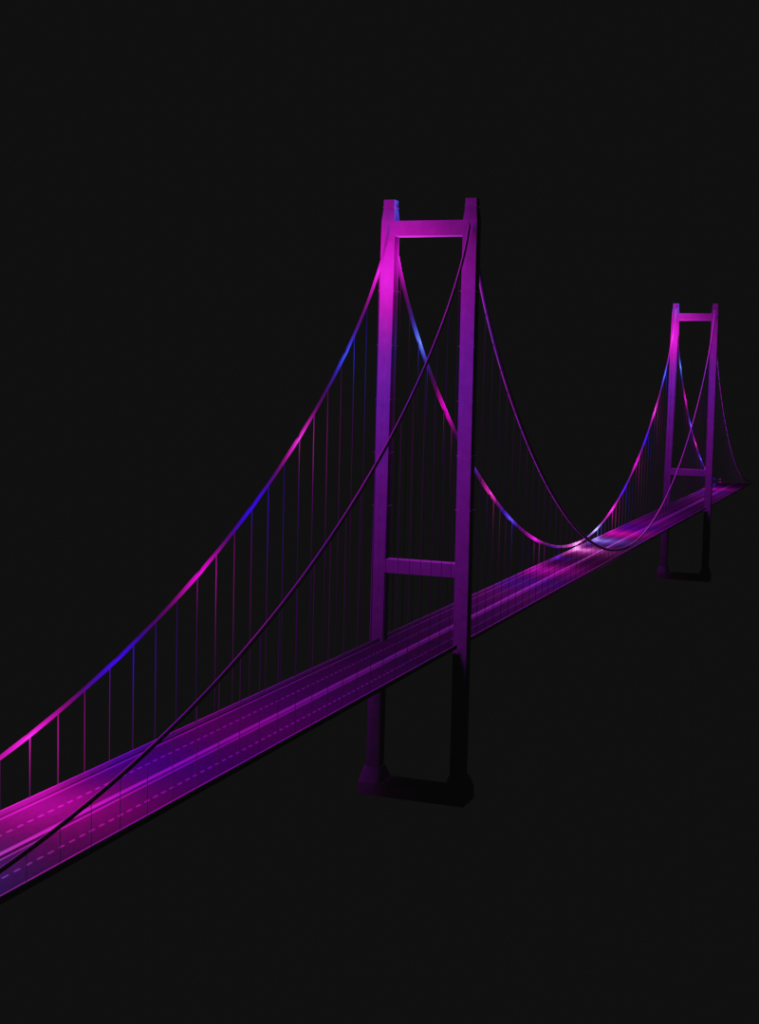
Before we can begin building big projects like Dream Park Island, we have to start with the basics. Here is the process our learners go through. After understanding each step, they then select an area of specialization. We split them into animation team, modelling team, etc, and from that, a film production pipeline is created and the kids themselves will come up with ideas and we produce them as a team.
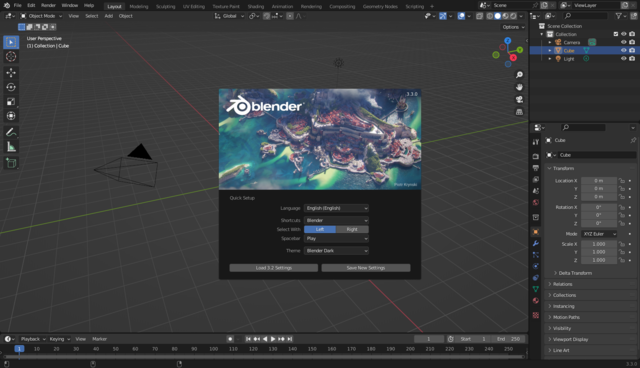
1. INTRODUCTION TO BLENDER
Learners will be introduced to a powerful 3D computer graphics software, Blender. This section includes basics such as navigating the screen, adding, deleting and manipulating objects.
2. MODELING IN 3D
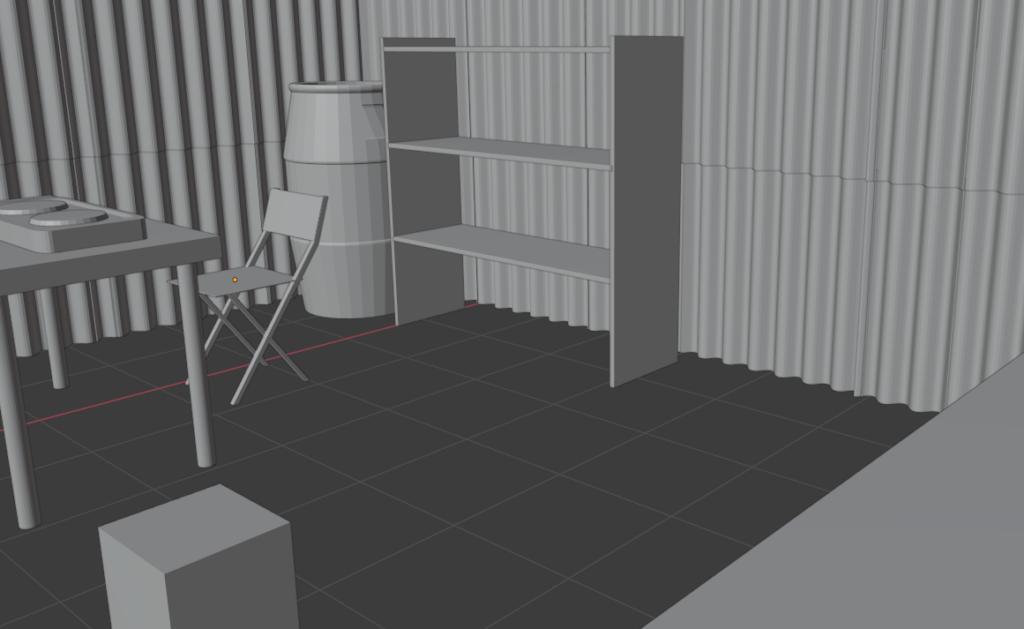
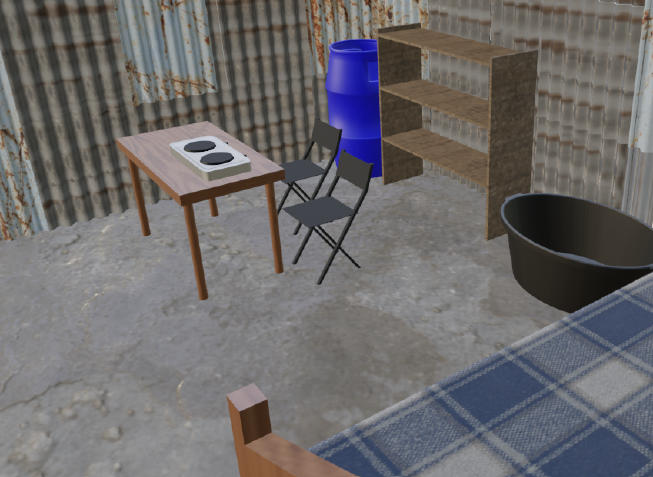
Everything you see on screen during an animated film was built one at the time by talented individuals. In this section of the course, learners will learn how it is done and do it themselves. We will do simple everyday objects like tables and chairs..
3. SHADING
In order to make objects look different and realistic, we must color them. We will do that through the process of shading. Here learners will color the objects they have built during the modeling lessons.
4. LIGHTING
Lighting is very important in a scene, think about it, its the difference between day and night and that distinction can make or break a story. This section of the course will teach learners how to use lighting tools in Blender.
5. FINALLY… ANIMATING
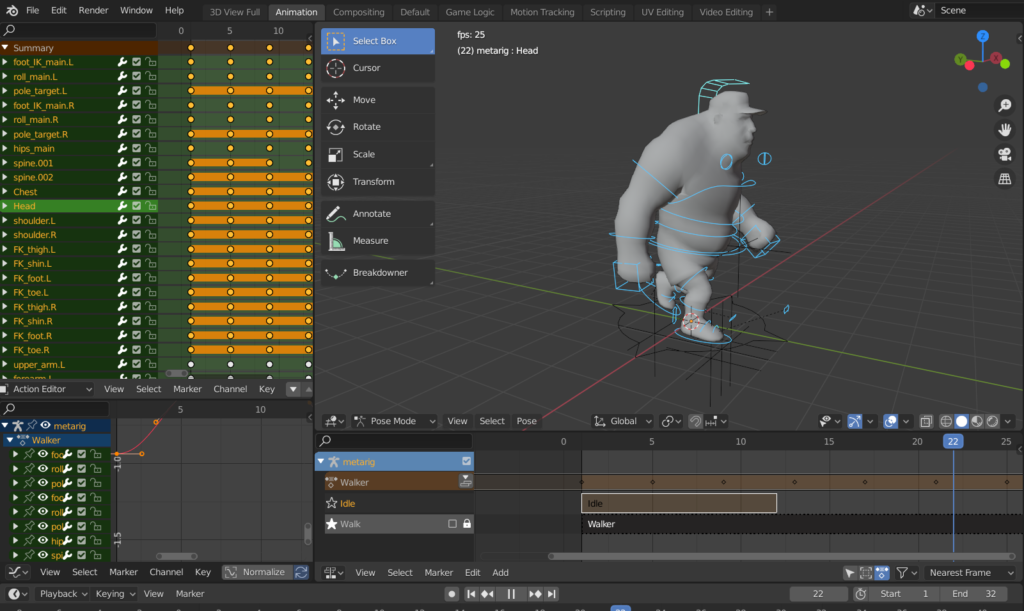
After going through all of the above steps, learners will finally make objects move and talk. Trust me, its worth it.
MORE ON THE GAME DEVELOPMENT PROGRAMME
The Game Development Programme is starting in 2023. Making games requires a lot of different skills including storytelling, modelling, texturing, lighting, animation, and programming. Most of these topics are covered in the Animation Programme, which is why learners must start with animation first. The gaming programme will emphasize programming. Making our film characters interactive through code. Here is how we will begin.
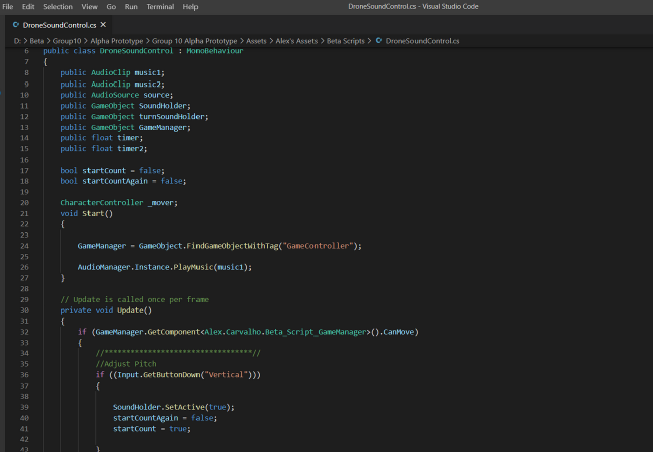
1. NTRODUCTION TO C#
Learners will be introduced to programming basics relevant to game development such as taking user inputs, if-else statements and looping.
2. INTRODUCTION TO
UNITY 3D
Making a video game requires a combination of art and software. Unity 3D is a game engine we will be using as a bridge to connect our creative and coding skills. Learners will learn about moving game objects, how to add sounds to them, how to detect collisions, and how use physics in game development.
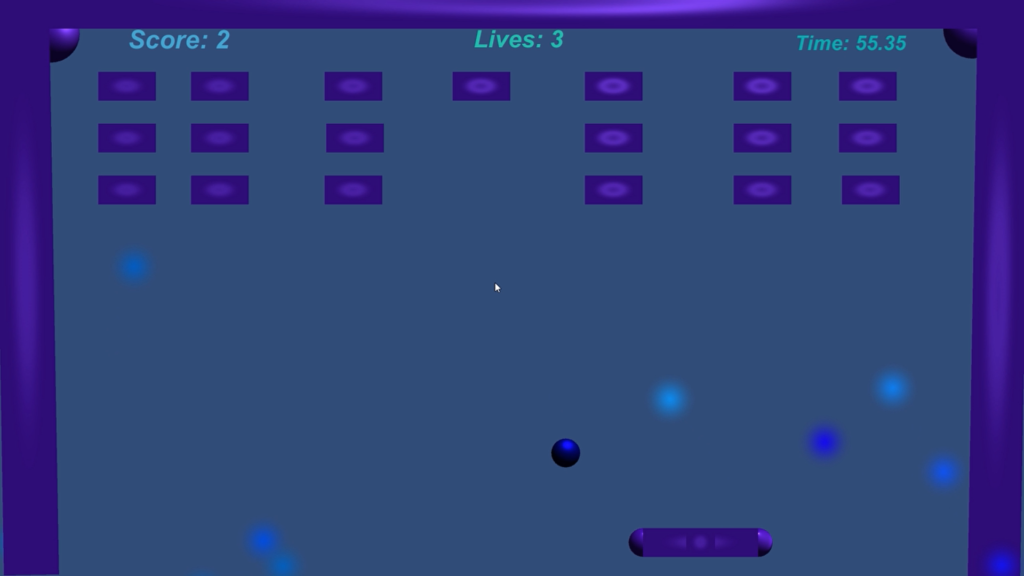
3. BREAKOUT
We are firm believers of learning through application. The basics of programming and Unity 3D will be reinforced through the making of a classic video game: Breakout. Learners will go through the game development cycle as we apply it together on this game.
4. PROJECT PONG
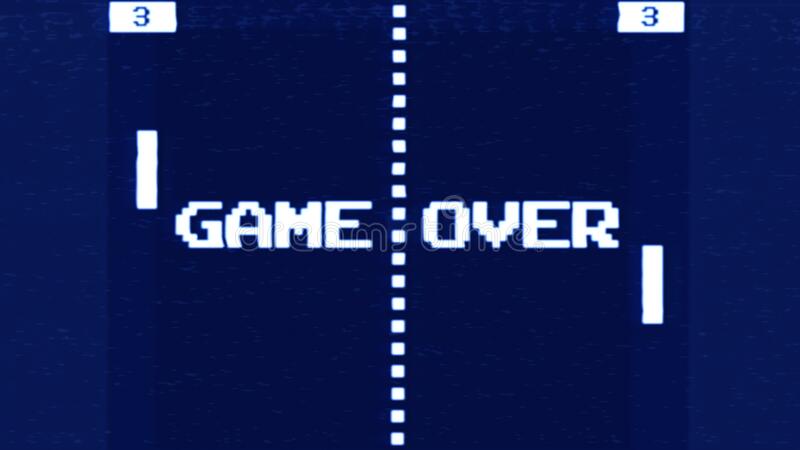
Implementation is important in this program. Learners will work on creating another classic game, Pong. This time, the instructor will not be holding their hand. Pong was chosen because the techniques and resources used to build Breakout can be reused to make Pong.
5. FINAL PROJECT
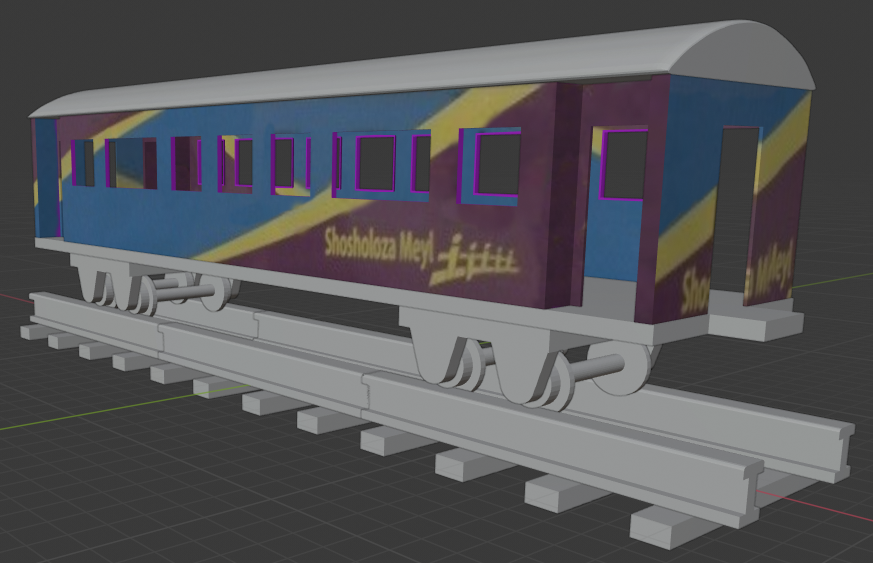
We will build Train Riders together as a team. Train Riders is a video game inspired by Subway Surfers mobile game.
What is good about our programmes is that our learners get to experience their work as films and games and can share it with their communities.